
- Flights To Africa
- Flights To Dubai
- Flights To Usa
- Flights To Australia
- Flights To Canada
- Flights To Italy
- Flights To France
- Flights To Philippines
- Flights To Thailand
- Flights To Pakistan
- Flights To India
- Flights To Netherlands
Flights To France
Why Book Your France Flight Tickets with Travel Hunters?
At Travel Hunters we believe booking your European getaway should be stress‑free. Here’s why our customers return again and again:
Best price guarantee – Our technology scans all low-cost and premium airlines to find the absolute cheapest flights to France.
Flexible search tools – Filter results by direct flights, preferred departure times, or specific airlines. You can set fare alerts to track price drops.
ATOL‑protected packages – When you book flights and hotels together, your trip is financially protected under the Air Travel Organiser’s Licence.
24/7 customer support – Our UK‑based travel experts are on hand to assist with itinerary changes, special requests, and transport strikes (which occasionally occur in France).
Secure payments – We use industry‑standard encryption to keep your personal and payment details safe.
Book with confidence and let us handle the details so you can focus on planning your Alps ski trip or Riviera beach break.
Verified By


Best Places To Visit In France
France is filled with charm and unforgettable experiences. Here are must-visit destinations:
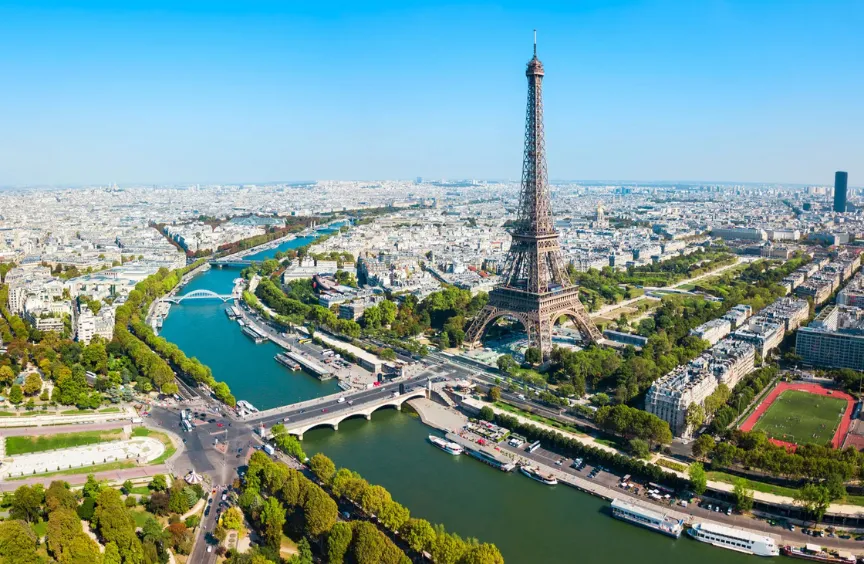
- Paris
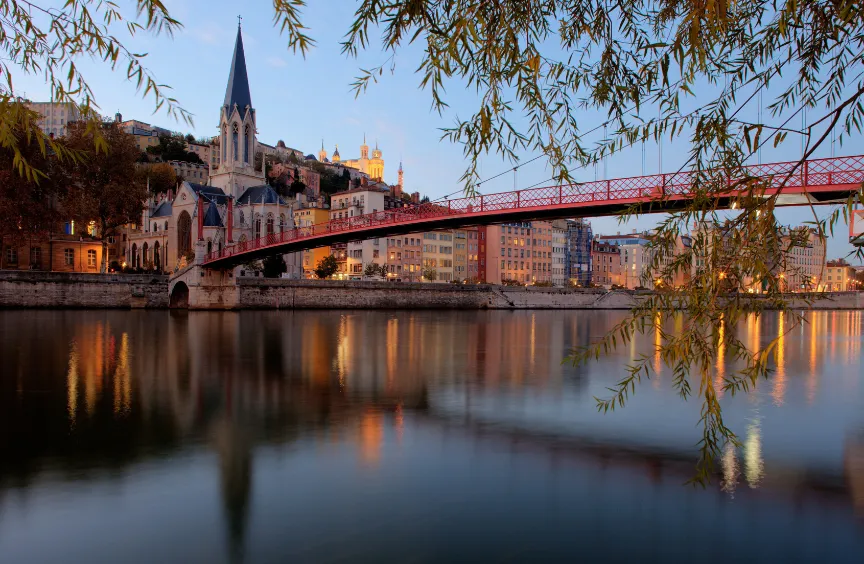
- Lyon
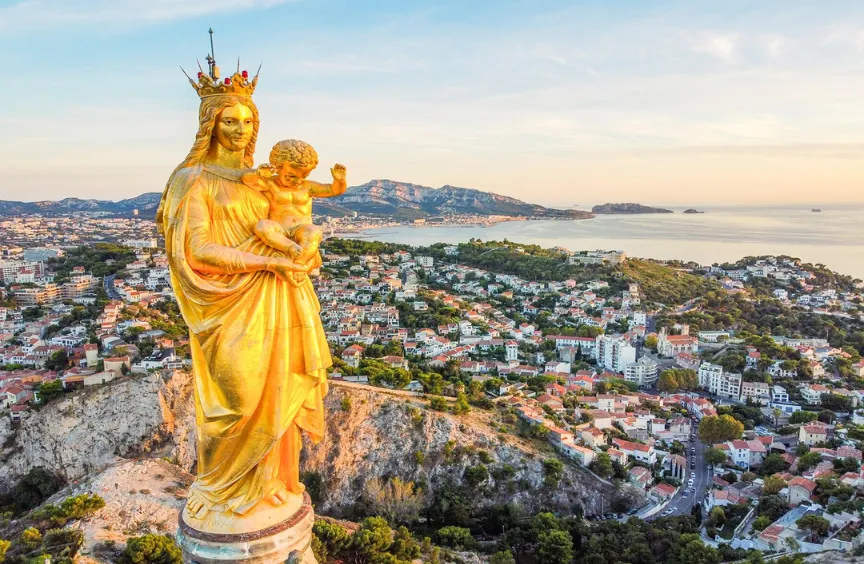
- Marseille
Best Flights Fares For You
At Travel Hunters, we offer unbeatable flight deals from the UK to France, connecting you to one of Europe’s most iconic destinations at the best possible prices. Whether you’re heading to Paris for a romantic getaway, Lyon for gourmet delights, or Nice for a sun-soaked coastal escape, we compare fares from trusted airlines to ensure exceptional value and a smooth travel experience. Our hand-picked flight options prioritise comfort, reliability, and convenience, making your journey to France effortless from departure to arrival. Explore our top France flight fares below and book confidently with Travel Hunters—your trusted partner for affordable and stress-free travel.


Things You Know Before Travel
Prepare for your journey with confidence! Here are a few essential tips and travel reminders to make your trip smooth, safe, and stress-free — from visa checks to packing smart and managing your budget wisely.
1. Check Visa & Travel Documents
Before booking, make sure your passport is valid for at least 6 months and check if you need a visa for your destination. Keep digital copies of your important documents for quick access.
2. Currency & Budget Planning
Research the local currency and average daily costs. Carry a mix of cash and cards, and inform your bank about your travel to avoid any payment issues abroad.
3. Weather & Packing Essentials
Research the weather for your destination so you can pack appropriately. Warm countries may require lightweight clothing, sunscreen, and hydration essentials, while cooler destinations may require layers and warmer attire.
Cheap Flights to France: Book Affordable Flight Deals Today
Looking for a destination that combines iconic landmarks, world‑class gastronomy, and stunning landscapes from the Alps to the Riviera? France offers all this and more. At Travel Hunters we specialise in cheap flights to France from the UK and can help you book your next summer holiday, ski trip, or romantic city break at a price you’ll love. Whether you’re planning to explore the Louvre in Paris or sunbathe on the beaches of Nice, our flexible search tools and dedicated travel experts make finding the right flight simple.
Flight Time and Distance to France: How Long is the Journey?
Non‑stop flights from the UK to France are incredibly short and convenient, typically taking between 1 hour and 2 hours depending on your exact destination. For example, a direct service from London Heathrow (LHR) to Paris Charles de Gaulle Airport (CDG) usually takes just 1 hour and 20 minutes, covering around 215 miles (345 km). Flights to the south of France are slightly longer; a direct flight to Nice (NCE) takes just over 2 hours. Because France is on Central European Time (CET), the time difference is just one hour ahead of the UK, meaning zero jet lag.
| Route | Approximate distance | Typical flight time* |
| London Heathrow (LHR) → Paris (CDG) | ~215 mi (345 km) | ≈ 1 h 20 min (Non‑stop) |
| London Gatwick (LGW) → Nice (NCE) | ~645 mi (1 040 km) | ≈ 2 h 10 min (Non‑stop) |
| Manchester (MAN) → Lyon (LYS) | ~600 mi (965 km) | ≈ 1 h 55 min (Non‑stop) |
*Times and distances are approximate and depend on aircraft type, routing and winds.
Top Airlines for France Flights: Best Carriers and Connections
Dozens of carriers operate flights between the UK and France, offering a mix of budget and premium options. The main airlines are:
British Airways – Offers frequent non‑stop flights from London Heathrow, Gatwick, and London City to multiple French hubs including Paris, Nice, Lyon, and Bordeaux. Fares often include a generous cabin bag allowance, and Club Europe (business class) offers lounge access and complimentary dining.
Air France – The national carrier provides extensive direct flights from London and regional UK airports to Paris CDG, offering seamless connections to the rest of the world and domestic French destinations. Expect excellent service and complimentary snacks in economy.
easyJet – A leading low-cost option operating out of Gatwick, Luton, Manchester, and Bristol. They fly direct to major cities as well as regional gateways like Toulouse, Marseille, and Geneva (perfect for the French Alps).
Ryanair – The ultimate budget carrier offering massive route coverage from airports across the UK to regional French airports such as Bergerac, Carcassonne, and Beziers—ideal for exploring the French countryside.
Vueling & Jet2 – Popular choices for summer holidays and city breaks, offering seasonal and year-round flights to key holiday destinations like Paris and the Côte d’Azur.
When comparing flights, look at the arrival airport’s distance to the city centre. Budget airlines sometimes fly into secondary airports (e.g., Ryanair flies to Paris Beauvais, which is an 80-minute bus ride from central Paris).
Travel in Style: Economy and Business Class to France
Because flights to France are short-haul, cabins differ from transatlantic or long-haul routes:
Economy – Perfect for budget‑conscious travellers. Seat pitch is generally around 29–30 inches on budget carriers and 30–31 inches on premium airlines. On legacy carriers like Air France and BA, you get complimentary water and snacks, while low-cost carriers offer a buy-on-board menu.
Business Class – Available on legacy carriers like BA (Club Europe) and Air France (Business). If comfort is key, short-haul business class provides priority check-in, fast-track security, access to airport lounges, a guaranteed empty middle seat for extra space, and a premium complimentary meal with champagne or fine French wine.
Choosing the right cabin depends on your budget. For a 90-minute flight, economy is perfectly adequate for most, but Business Class makes a special anniversary trip to Paris much smoother.
Baggage Allowance for France Flights: Luggage Rules and Limits
Baggage rules vary drastically depending on whether you fly a legacy or low-cost airline. Below is a general guide:
| Airline & Cabin | Hand luggage allowance | Checked baggage allowance* |
| British Airways Economy | 1 cabin bag + 1 personal item (up to 23 kg each) | One 23 kg bag (Standard fare; Basic excludes this) |
| Air France Economy | 1 cabin bag (12 kg) + 1 personal item | One 23 kg bag (Standard fare; Light excludes this) |
| easyJet Economy | 1 small under-seat bag | Fee applies for large cabin bags and 15/23 kg checked bags |
| Ryanair Economy | 1 small under-seat bag | Fee applies for 10 kg overhead bags and 20 kg checked bags |
*Airlines frequently update baggage policies; always check your e‑ticket to avoid steep fees at the gate.
Tip: If you plan on bringing back French wine, champagne, or regional cheeses, you must book a ticket that includes checked baggage, as liquids over 100ml cannot go through airport security in your hand luggage.
Best Time to Fly to France: Finding the Cheapest Flight Months
France’s climate varies from temperate in the north to Mediterranean in the south, and Alpine in the east:
July–August (Summer/Peak) – The hottest and busiest time of the year. The French Riviera and Provence are packed with tourists. Temperatures frequently exceed 30°C. Airfares and accommodation rates are at their highest due to the UK and French school holidays.
December–March (Winter/Ski Peak) – This is peak season for the French Alps (Chamonix, Courchevel). Flights to Geneva, Lyon, and Grenoble will see a price spike. However, city breaks to Paris or Bordeaux are generally very cheap during these months (excluding Christmas/Valentine’s Day).
Shoulder seasons (April–May & September–October) – Generally considered the best time to visit France. The weather is warm and sunny, the vineyards are beautiful, and flights are reasonably priced.
For the cheapest flight deals, avoid the school half-terms and aim for mid-week departures in early spring or late autumn.
France Weather Guide: Forecasts and Packing Tips for Travellers
Because France is geographically diverse, packing will depend heavily on your itinerary:
Paris & The North – Distinct seasons. Cold, damp winters and warm summers. Pack layers, comfortable walking shoes for cobblestone streets, and a chic trench coat or umbrella for sudden rain showers.
The South (Riviera, Provence) – True Mediterranean climate. Mild winters and long, hot, dry summers. Pack swimwear, sunglasses, high-SPF sunscreen, and linen clothing.
The Alps – Freezing, snowy winters and mild, green summers. Pack proper snow gear and thermals if skiing, or sturdy hiking boots if visiting in the summer.
General tips: The French appreciate smart-casual attire. If dining at a nice restaurant in Paris, leave the athletic wear and flip-flops at the hotel.
Discover French Culture: Local Traditions, Cuisine, and History
France is the global capital of art, fashion, and culinary excellence. Cultural etiquette revolves heavily around politeness, food, and preserving l’art de vivre (the art of living):
Greetings – Always say “Bonjour” (Good morning/hello) when entering a shop or restaurant, and “Merci, au revoir” (Thank you, goodbye) when leaving. Skipping this basic politeness is considered extremely rude.
Dining Etiquette – Meals in France are meant to be savoured, not rushed. Waiters will not bring the bill until you explicitly ask for it (“L’addition, s’il vous plaît”).
Tipping – A 15% service charge is legally included in all restaurant and café bills (service compris). Tipping extra is not expected, but leaving a few euros for exceptional service is a nice gesture.
French cuisine is UNESCO-recognized. Must‑try dishes include:
Baguette & Croissant – Pick them up fresh from a local boulangerie in the morning.
Bœuf Bourguignon – A rich, slow-cooked beef stew braised in red Burgundy wine.
Crêpes & Galettes – Sweet thin pancakes (crêpes) or savoury buckwheat versions (galettes), originally from Brittany.
Escargots – Snails cooked in delicious garlic and parsley butter.
Cheese & Wine – France has over 400 types of cheese (try Camembert, Roquefort, or Comté) and produces some of the world’s best wines (Bordeaux, Champagne, Burgundy).
Major Airports in France: Your Guide to International Gateways
France has an exceptional network of airports connecting every region to the UK:
Paris Charles de Gaulle (CDG) – France’s busiest international gateway. The RER B train connects the airport directly to central Paris (Gare du Nord) in about 35 minutes.
Paris Orly (ORY) – Located south of the city, often used by budget carriers and domestic flights. Connected to Paris via the Orlyval light rail and RER B.
Nice Côte d’Azur (NCE) – The gateway to the French Riviera. A modern tram line connects the terminals directly to the centre of Nice in under 30 minutes.
Lyon-Saint Exupéry (LYS) – The primary hub for the Auvergne-Rhône-Alpes region, offering a fast Rhônexpress tram to the city and easy access to ski resorts.
Top Attractions in France: Must‑Visit Places and Landmarks
Whether you’re a history buff or a romantic, France’s attractions are iconic:
The Eiffel Tower & Louvre (Paris) – Marvel at the Iron Lady and view the Mona Lisa in the world’s largest art museum.
Palace of Versailles – The opulent former royal residence of Louis XIV, famous for the Hall of Mirrors and its magnificent gardens.
Mont Saint-Michel (Normandy) – A breathtaking medieval abbey perched on a rocky tidal island.
The French Riviera (Côte d’Azur) – Glamorous coastal cities like Cannes, Saint-Tropez, and Monaco, famous for superyachts and azure waters.
Chamonix-Mont-Blanc – The ultimate alpine destination, offering world-class skiing in winter and hiking in summer at the base of Western Europe’s highest peak.
Loire Valley Châteaux – Explore fairytale castles like Château de Chambord and Château de Chenonceau, set among lush vineyards.
Where to Stay: Best Hotels and Luxury Accommodation in France
France offers accommodation ranging from rustic countryside gîtes to legendary palaces:
| Hotel & Location | Highlights |
| Ritz Paris – Place Vendôme, Paris | One of the most famous hotels in the world. Offers unparalleled Parisian luxury, a Chanel spa, and the legendary Bar Hemingway. |
| Le Negresco – Nice | An iconic Belle Époque hotel standing proudly on the Promenade des Anglais, filled with priceless art and antiques. |
| Cheval Blanc – Courchevel | An ultra-exclusive ski-in/ski-out alpine retreat in the Three Valleys, featuring a Givenchy spa and Michelin-starred dining. |
| Hotel du Cap-Eden-Roc – Antibes | The ultimate glamorous Riviera hideaway, favoured by celebrities and royalty during the Cannes Film Festival. |
| Château de la Chèvre d’Or – Èze | Perched in a medieval village high above the Mediterranean, offering breathtaking views, terraced gardens, and incredible dining. |
From budget-friendly ibis hotels to ultra-luxurious châteaux, there’s accommodation to suit every style and budget.
Expert France Travel Tips: Pro Hacks for a Smooth Journey
High-Speed Trains (TGV) – France has an incredible high-speed rail network. It is often faster and much more scenic to travel from Paris to Lyon or Bordeaux by TGV than by flying. Book via SNCF well in advance for the best fares.
Visas & Passports – Post-Brexit, UK citizens can visit France visa-free for up to 90 days within a 180-day period. Ensure your passport was issued less than 10 years ago and is valid for at least 3 months after your departure date. (Note: The ETIAS visa waiver system is expected to launch soon).
Currency – The currency is the Euro (€). Contactless payments are widely accepted, but carry some small coins for bakeries or market stalls.
Public Transport – In Paris, the Metro is cheap and efficient. Buy a physical “Navigo Easy” pass or use your smartphone to load digital tickets.
Stay Safe – France is very safe, but major tourist hubs (especially around the Eiffel Tower or the Metro) have highly skilled pickpockets. Keep your valuables secure in cross-body bags.
With careful planning and these insider tips, your journey to France will be smooth and memorable. Whether you’re wine tasting in Bordeaux, skiing in the Alps, or strolling along the Seine, Travel Hunters is here to help you find the perfect flight and enjoy every moment of your trip.









Frequently Asked Questions
1. Why are flights to France so expensive in summer?
Flight prices peak dramatically in July and August due to massive demand from UK holidaymakers flocking to the Mediterranean coast and Paris. Budget airlines utilize dynamic pricing, meaning as flights fill up, the remaining seats become significantly more expensive.
2. When are flights to France cheapest?
The cheapest months to travel to France are typically January, February, and November (excluding ski destinations like Geneva/Lyon). If you book early enough, you can frequently find return flights on low-cost carriers like Ryanair or easyJet for under £30-£40 during these off-peak months.
3. How much do flights to France cost?
Return flights from the UK to France are generally very affordable. In the off-season, low-cost carrier flights can range from £30 to £60. During the peak summer holidays, those same routes can jump to £100–£200+. Legacy carriers like British Airways or Air France typically charge between £80 and £200 for standard return fares.
4. How long does it take to fly to France?
Direct flights from the UK to France are very fast. A flight from London to Paris takes about 1 hour and 20 minutes. Flights to the south of France (Nice or Marseille) take just over 2 hours.
5. Do I need a visa to visit France from the UK?
For tourist stays of up to 90 days within a 180-day period, UK passport holders do not currently need a visa to enter France or the Schengen Area. However, the EU’s new ETIAS (European Travel Information and Authorisation System) is expected to become mandatory soon, requiring a small fee and online pre-approval.
6. Can I take the train to France instead of flying?
Yes! The Eurostar train travels direct from London St Pancras International to Paris Gare du Nord in just 2 hours and 16 minutes. It is often much more convenient than flying as it takes you from city centre to city centre, bypassing airport security lines and baggage limits.